



Santo “Sandy” Trombetta
2001
Recreation/Development | 2006
Hometown: Grand Junction, Colorado
School Name: Grand Junction Veteran’s Administration Medical Center
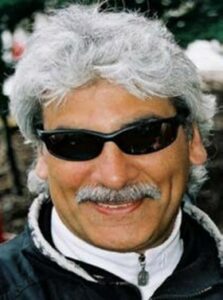
Santo “Sandy” Trombetta, who served as a Recreational Therapist at the Grand Junction VA Medical Center, is best known as the founder and long‑time director of the National Disabled Veterans Winter Sports Clinic (WSC), a flagship rehabilitative sports program for injured and disabled U.S. veterans. He is widely recognized as a leader in recreation therapy and has received multiple awards for his work in adaptive sports and rehabilitation. Most notably, The VA Olen E. Teague Award and the Department of Defense Medal for Distinguished Public Service.
In the early 1980s Trombetta sought new ways to improve the quality of life for veterans with disabilities and poly trauma, hoping to give them something to live for not just live with. In 1982 he learned about emerging adaptive skiing techniques at a trial program at Colorado’s Powderhorn Mountain Resort. He convinced Joe Shellemen, a veteran with Guillain‑Barré syndrome who used a wheelchair, to try adaptive skiing. Joe readily agreed and what began as a lark turned into a life defining moment for both. It was this veteran who inspired Sandy to create the Winter Sports Clinic. This experience ingrained in Sandy how powerful outdoor sports could be for rehabilitation and self‑actualization.
Over the next several years he expanded these efforts, which led to the formal launch of the National Disabled Veterans Winter Sports Clinic in1987. This event is the largest adaptive ski program in the world for veterans, involving 400 disabled veterans, 200 adaptive ski instructors, 700 volunteers and a large variety of generous sponsors. The WSC is unique as the clinic emphasizes rehabilitation and reintegration rather than elite competition, using activities like alpine and cross‑country skiing, sled hockey, rock climbing, curling, scuba diving and more to help veterans build community re‑entry skills, confidence, and social connections. Many Veterans who began at the WSC have gone on to participate in the Paralympics as well as become leaders in their community.
His efforts grew from a small, therapist‑driven experiment to a life‑changing experience for Veterans and their families. The Disabled American Veterans Service Organization recognizing the impact of the WSC became the official co-sponsor along with The Department of Veterans Affairs in1992. The success of the WSC led Sandy to create the National Veterans Summer Sports Clinic in 2008.


