



Lyn Rourke
Contributor | 1997
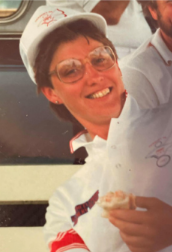
Hometown: Indianapolis, Indiana
Lyn developed the archery program at the Courage Center in the Twin Cities that included the Rolling Gophers Archery Team, youth archery, archery for Courage Center residents and bow hunting. The latter was done in conjunction with the Minnesota Department of Natural Resources and the International Bow Hunters Society. She also developed facilities for archery at Courage Center: a ten meter 6-target indoor range, an outdoor range and storage. She acquired an incredible inventory of equipment to meet the needs of Courage Center’s wide range of clients. Lyn coached state, regional, national, world and Paralympic champions and record holders who were members of the Courage Rolling Gophers Archery Team.
Lyn’s leadership was the key to the development, evaluation, refinement and promotions of splints, cuffs, releases and strapping systems manufactured by Dean Hughes used worldwide by archers with quadriplegia. Lyn and Dean also collaborated on a bow stand for archers with severe cerebral palsy. These developments had significant impact on the sport. The equipment allowed almost anyone to shoot competitively and recreationally.
Lyn served as director or co-director of three National Wheelchair Archery Championships and the annual Courage Country Archery Championship Tournament. She also directed the Minnesota State Archery Association FITA Championships. Her leadership in the MSAA provided the opportunity for Wheelchair Sports USA archers shooting the Short Metric and Long Metric rounds to compete in the MSAA State Tournament.
Lyn served as the chairperson of the Local Organizing Committee for the archery protion of the 1990 Olympic Festival in the Twin Cities. She commanded such respect that the Atlanta Committee for the Olympic Games recruited her as assistant director of the archery competition. The Atlanta Paralympic Organizing Committee hired Lyn as the director of competition for archery.
Prior to the 1996 Paralympic games, Lyn obtained a grant through Wheelchair Sports USA from the USOC. She organized and directed two exceptional training camps. One was in Colorado Springs where Olympic Gold Medalist Ed Eliason worked with USA’s best wheelchair archers. The second was the US Olympic Training Center near San Diego where the archers trained under world renowned archery coach Sherri Rhodes side-by-side with the US Olympic Archery Team.


