



Craig Blanchette
Competition | 2015
Hometown: Springfield, Oregon
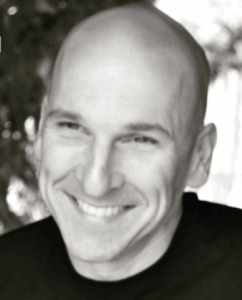
Craig Blanchette was arguably the most recognizable wheelchair racer in the 80’s and 90’s with his streamlined helmet, aerodynamic speed suits and cocksure demeanor. His flamboyant style, with pink hair and earrings, made for much controversy in that era but there was little arguing the impact that Craig had on the sport he loved.
Perhaps one of his protégés, Matt Parry, said it best; “Craig was, quite simply, a trailblazing pioneer in everything that he did, helping to take adaptive sports from a rehabilitation-based activity to an international marketing phenomenon. It is true, of course, that Craig was cocky and that he had a lot of rivalries, kind of like Tupac, annoying some people with his flamboyant flair. Those rivalries, however, were good for the sport, good for the Paralympic Movement, and good for my generation of disabled kids. My friends and I, after all, used to wait eagerly for ESPN to broadcast Craig’s epic road racing duels with Jim Knaub, Doug Kennedy, Kenny Carnes and others. It is impossible, in fact, to understate the self esteem boost that we got as disabled kids when we got the chance to see our heroes competing and getting interviewed on ESPN. And things got even better when Craig’s rivalry with Scot Hollonbeck and the University of Illinois heated up.”
Craig “Blanch” Blanchette was born in Torrance, California with a birth defect called PFFD. As a result ‒ whether it was turning on a light switch, or representing the USA in the 1988 Olympics in the Los Angeles Coliseum ‒ Craig had to compete just to survive in life. Beating the odds, he set 21 world records, and became an 9-time world champion. In addition, Craig competed in over 100 road races over the course of his career.
As importantly was the public exposure that Craig brought to the sport of wheelchair track and road racing, in both print and television media. His relationship with sports retailer Nike provided a platform for the promotion of wheelchair sports as competitive sport and his image was commonly seen in their “Just Do It” advertising campaigns.
After overcoming his own struggle with weight after retiring from his racing career and other destructive life behaviors, Craig dedicated his life to another mission: helping others learn how self control and a healthy structure leads to a healthy weight and over time optimal health. He mastered the art of helping others turn economic, emotional, and circumstantial trials into triumphs ‒ while dedicating his life to serving people.


